

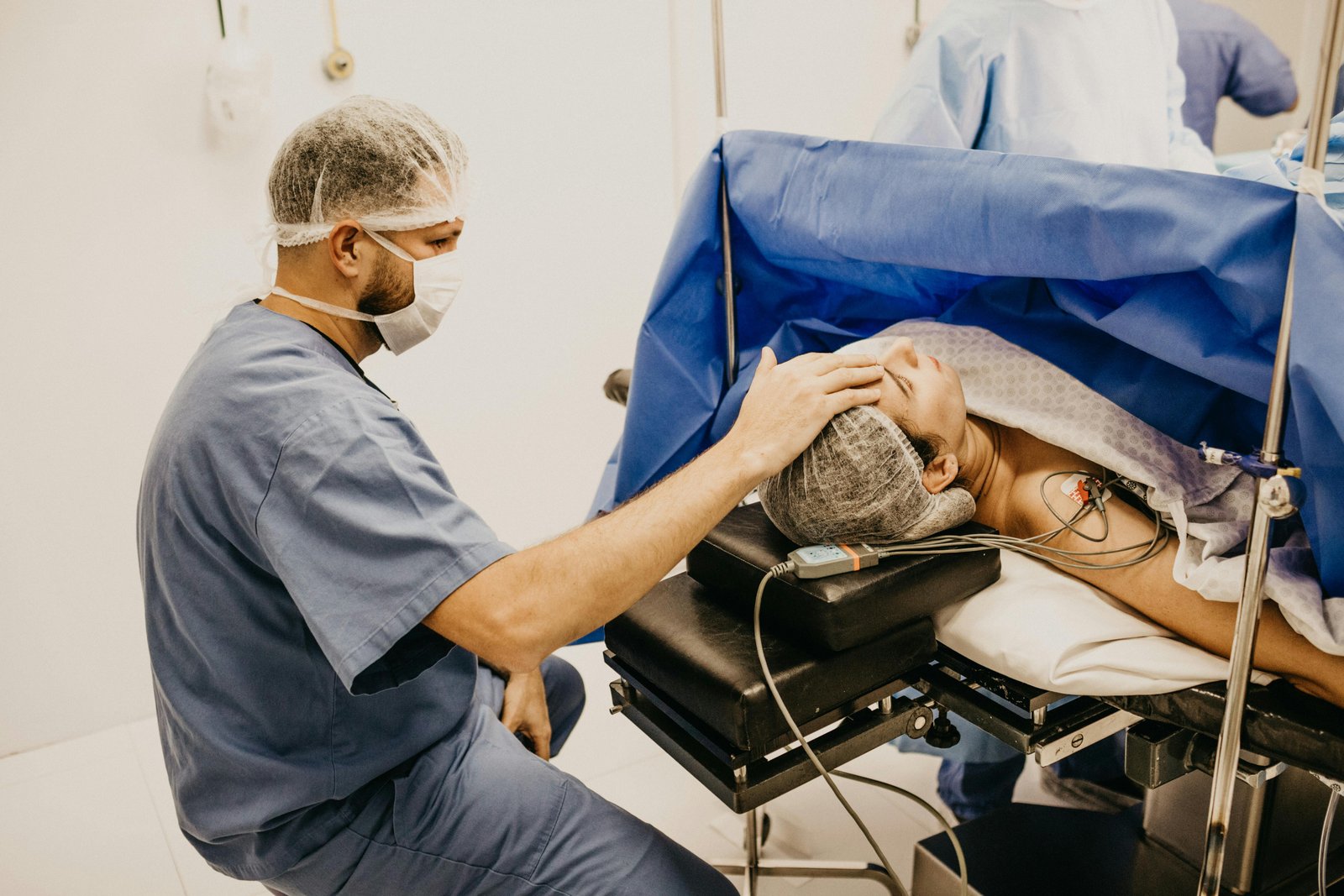
General Surgery Patient Care
Our team of general surgeons is here to provide a wide range of services, including hernia repair, gallbladder removal, appendectomies, and the management of various acute or chronic surgical conditions. Our dedicated team of board-certified surgeons offers comprehensive care for a full spectrum of common surgical problems, from treating skin and soft tissue conditions to performing complex abdominal and colon surgeries. Our expert surgical team is committed to your health and well-being, providing a wide range of services including advanced laparoscopic (minimally invasive) procedures, emergency surgical care, and planned elective surgeries.
 Hernia Repair
- Gallbladder Surgery
- Appendectomies
- Laparoscopic Procedures
- Emergency Surgery
- Soft Tissue Surgery
How Our General Surgery Services Work
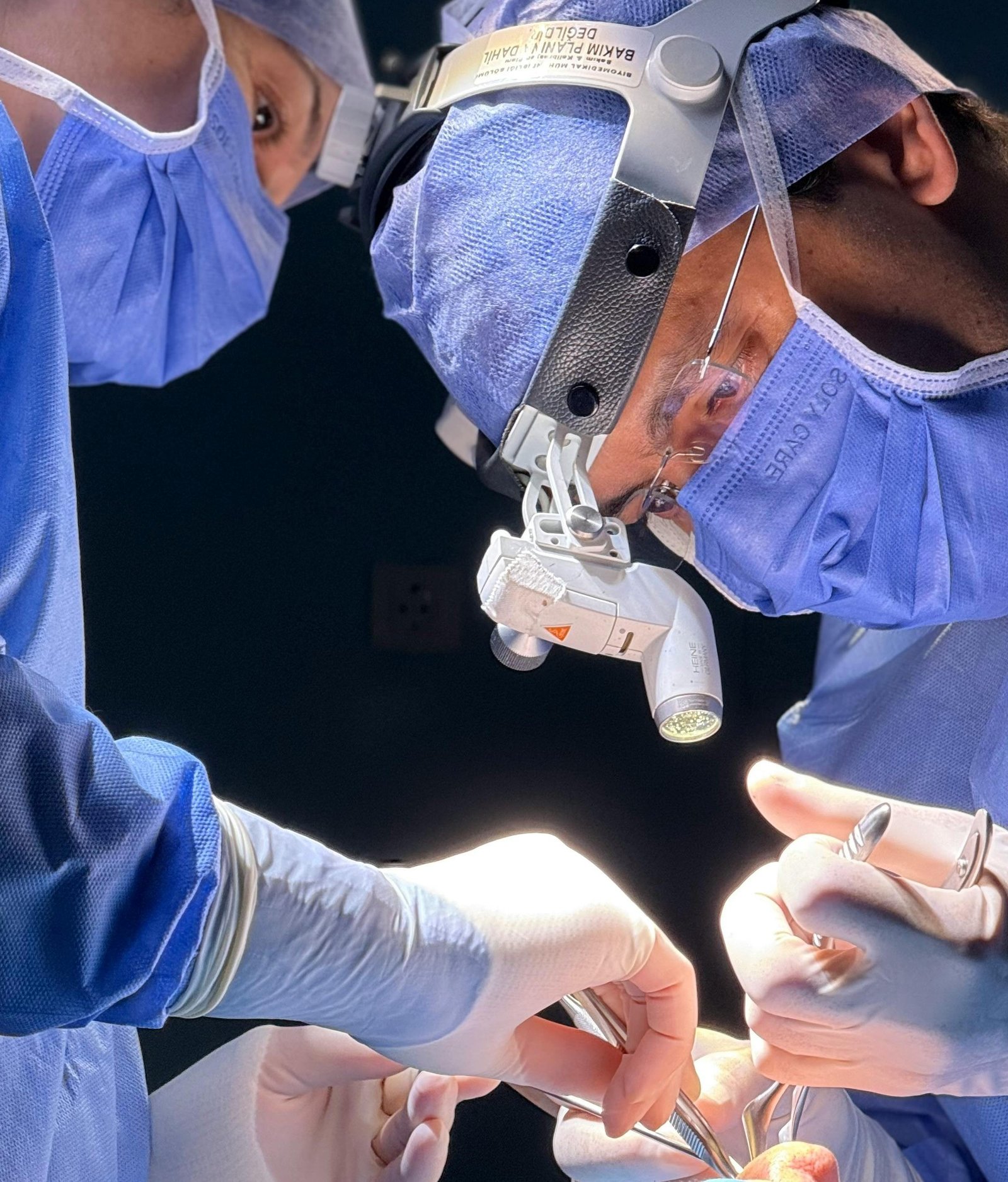
Our team of general surgeons is here to provide a wide range of services, including hernia repair, appendectomies, and the surgical management of various abdominal and soft tissue conditions.
- Book Your Appointment
- Meet Our Surgical Team
- Pre-Operative Assessment
- Personalized Treatment Plan
Your Guide To General Surgery Questions
Our goal is to provide clarity and reassurance every step of the way. In this FAQ section, we've compiled answers to the most commonly asked questions about general surgery.
A general surgeon is a specialist trained to manage a broad range of common surgical conditions. They primarily operate on the abdominal organs, including the appendix, gallbladder, stomach, and intestines. They also treat hernias, and perform procedures involving the breast, skin, and soft tissues.
The most common sign is a noticeable bulge or lump in the groin or abdominal area. This bulge may become more apparent when you are standing, coughing, or straining, and it may be accompanied by a dull ache or feeling of pressure. If the lump becomes very painful or tender, you should seek medical attention promptly.
Laparoscopic, or "minimally invasive," surgery is a modern technique where surgeons operate through a few small incisions using a tiny camera and specialized long-handled instruments. This approach often results in less post-operative pain, minimal scarring, a shorter hospital stay, and a faster recovery compared to traditional open surgery.
Your surgical team will give you specific instructions tailored to your procedure. These typically include directions on when to stop eating and drinking, what medications to take or avoid before surgery, and arranging for transportation home. Following all pre-operative instructions carefully is crucial for your safety and a successful outcome.