
Dental Patient Care
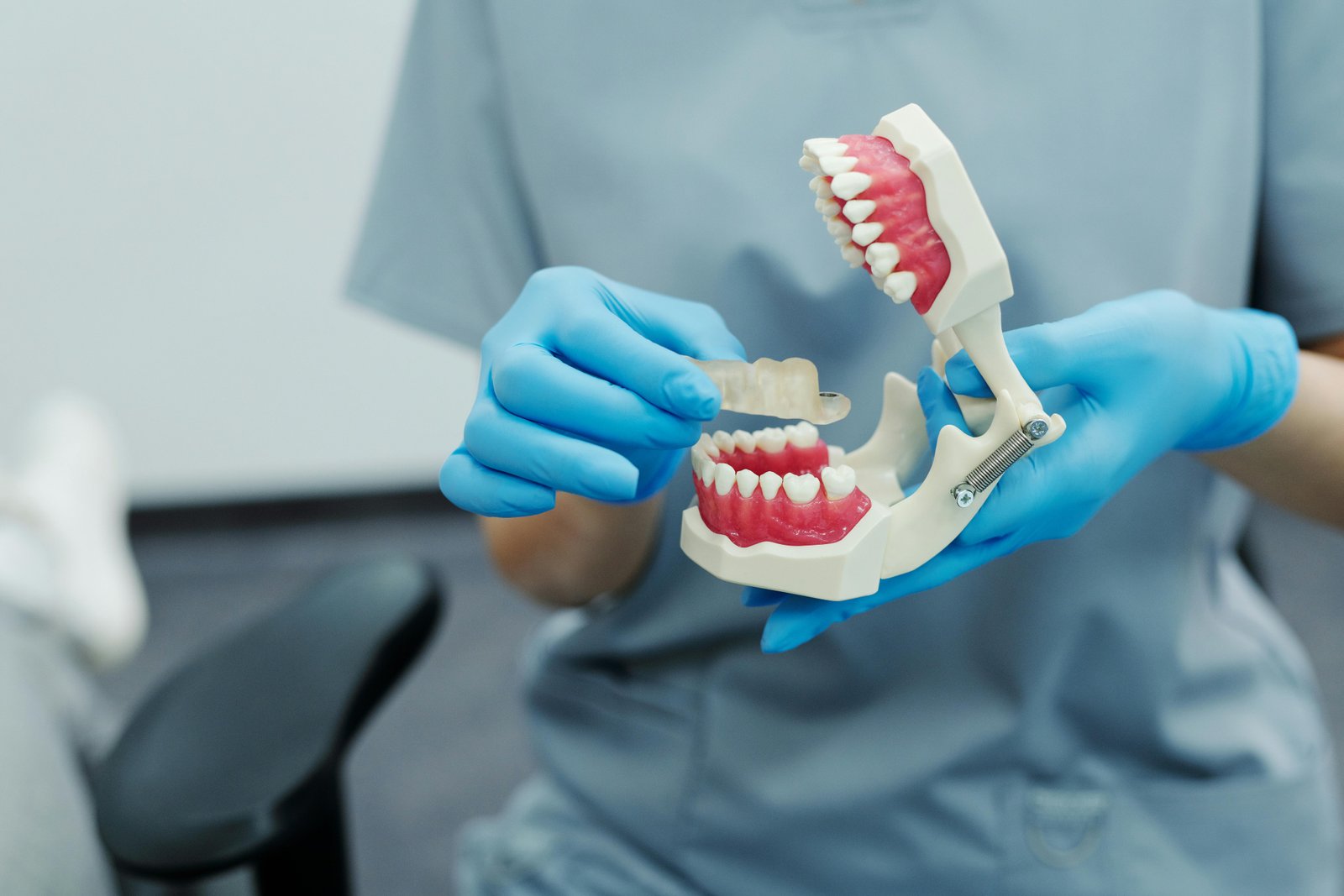
Our team of dental experts at Ansh Orthopaedic Center is here to provide a wide range of services, including routine cleanings, cosmetic dentistry, root canals, and the management of acute or chronic oral health issues. Our dedicated team of dental specialists offers comprehensive care for a full spectrum of needs, from treating cavities and gum disease to providing advanced restorative and cosmetic procedures. Our expert dental team is committed to your oral health, providing a wide range of services including advanced surgical procedures, preventative treatments, and management of both sudden tooth pain and chronic conditions.
 Preventative Care
- Cosmetic Procedures
- Restorative Treatments
- Emergency Care
- Advanced Surgery
- Chronic Condition
How Our Dental Services Work
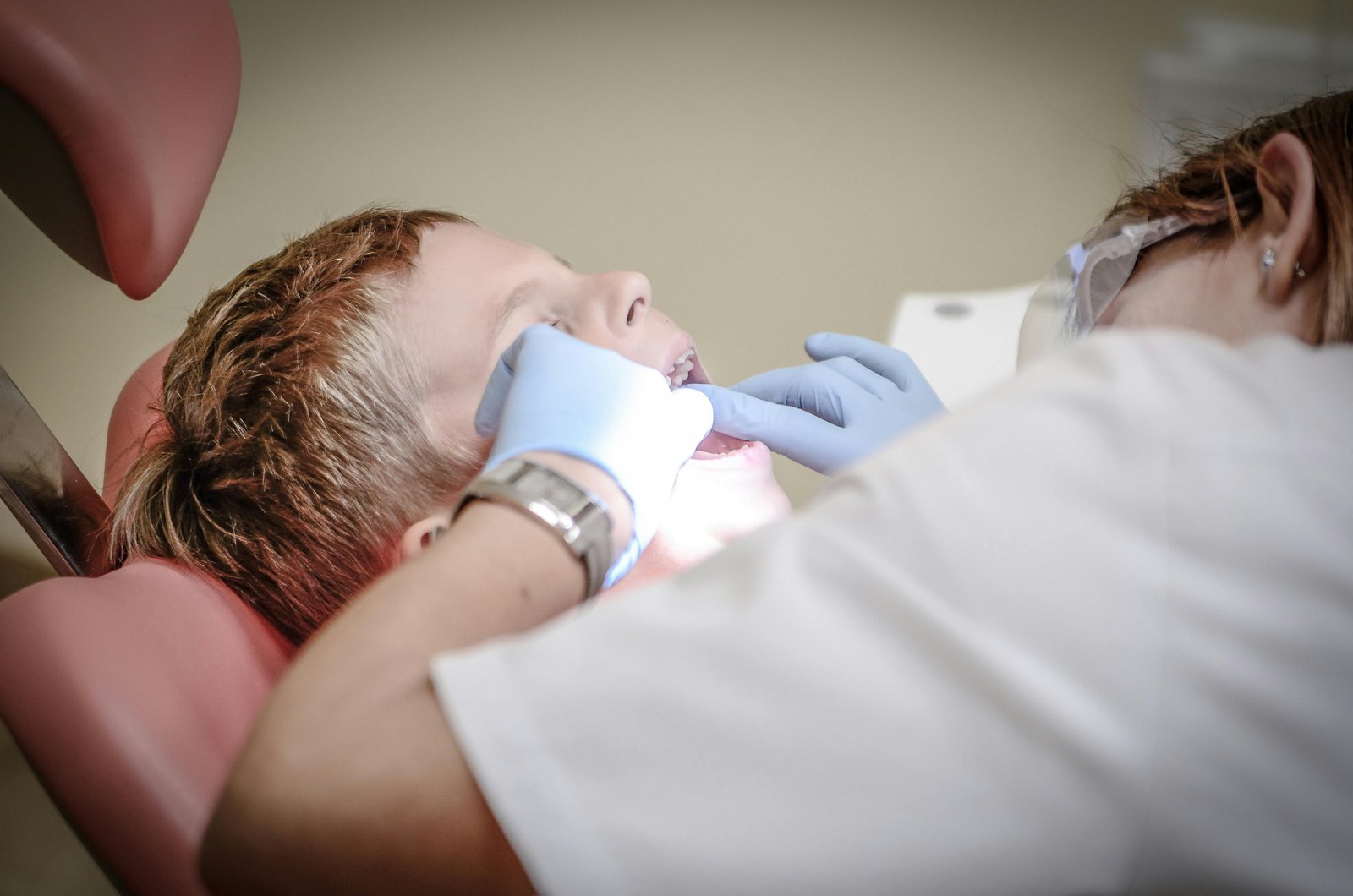
Our team of dental experts is here to provide a wide range of services, including preventative care, cosmetic procedures, restorative treatments, and the management of acute or chronic oral health conditions.
- Book Your Appointment
- Meet Our Dental Team
- Comprehensive Examination
- Personalized Treatment Plan
Your Guide To Dental Care Questions
Our goal is to provide clarity and reassurance every step of the way. In this FAQ section, we've compiled answers to the most commonly asked questions about dental care.
While minor sensitivity can sometimes be temporary, you should schedule a visit if your tooth pain is sharp, severe, or persistent. You should also seek immediate advice if the pain is accompanied by swelling in your gums or face, a fever, or a bad taste in your mouth, as these could be signs of an infection.
For temporary relief, you can rinse your mouth with warm salt water, gently floss to remove any trapped food, and take an over-the-counter pain reliever. Applying a cold compress to the outside of your cheek can also help reduce swelling. These are only temporary measures, and it is crucial to see a dentist to diagnose and treat the underlying problem.
Early signs of gum disease (gingivitis) include red, swollen, or tender gums that bleed easily when you brush or floss. More advanced gum disease (periodontitis) can cause gums to pull away from the teeth, persistent bad breath, loose teeth, and changes in your bite. If you notice any of these symptoms, a dental evaluation is essential.
Good oral hygiene is key. This includes brushing your teeth twice a day with fluoride toothpaste, flossing daily to clean between teeth, and eating a balanced diet low in sugar. Regular dental check-ups and professional cleanings (typically every six months) are also crucial for removing plaque and tartar buildup and catching potential issues early.